Andrea Murisasco

About me

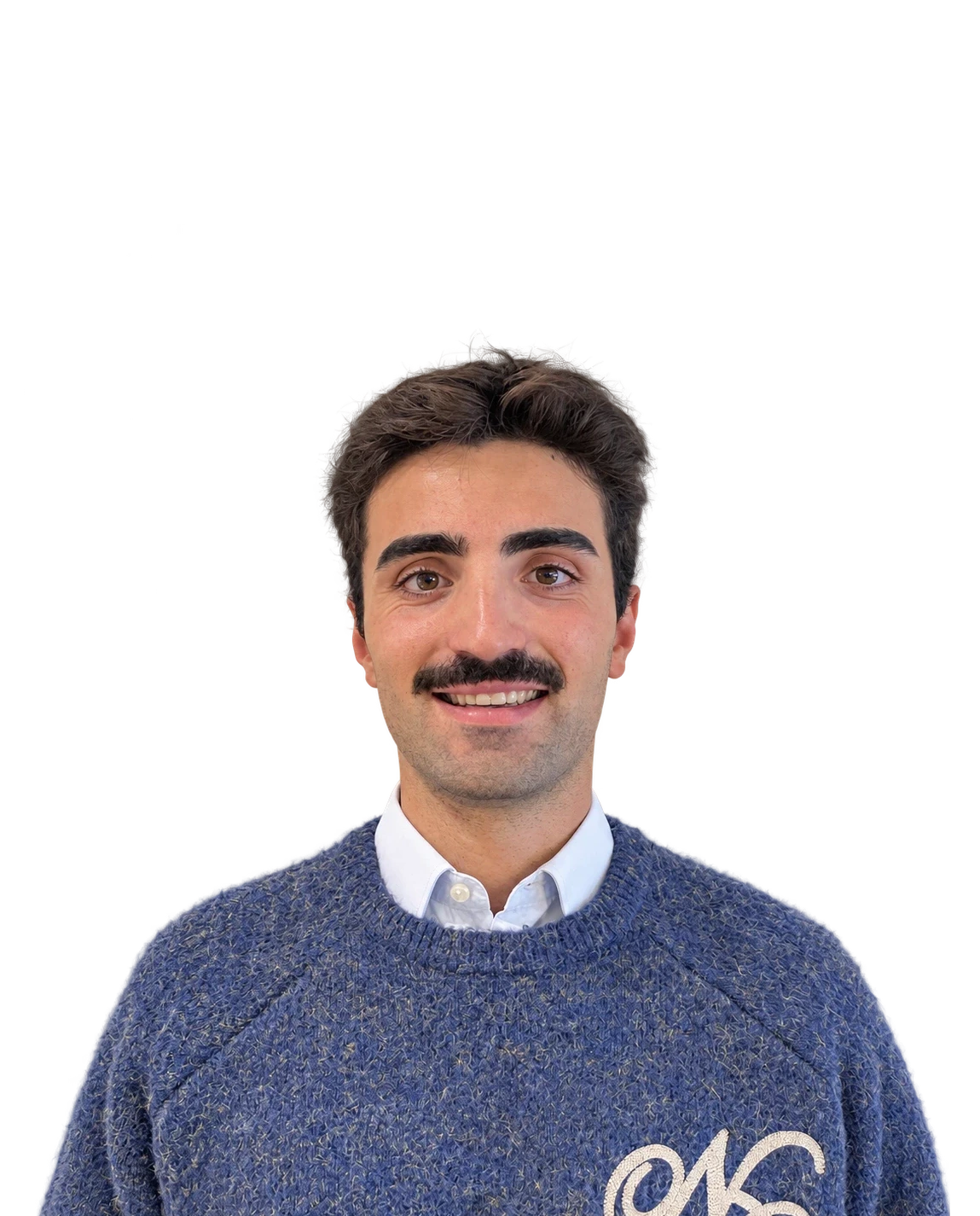
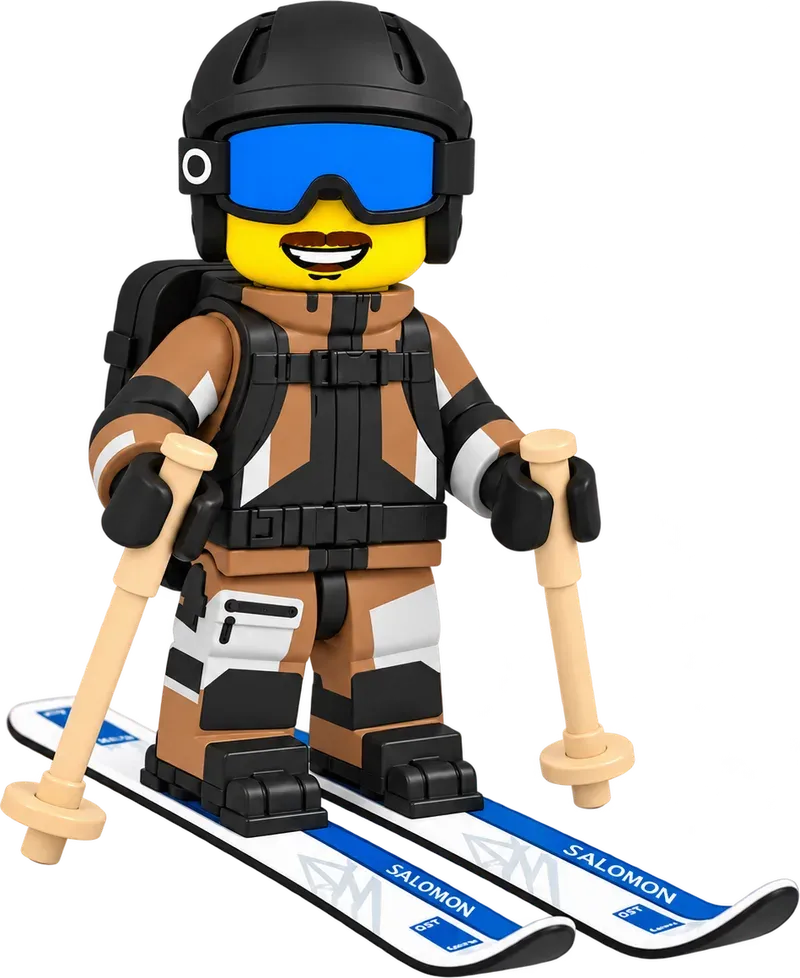
Andrea’s avatar, with skis, helmet and goggles

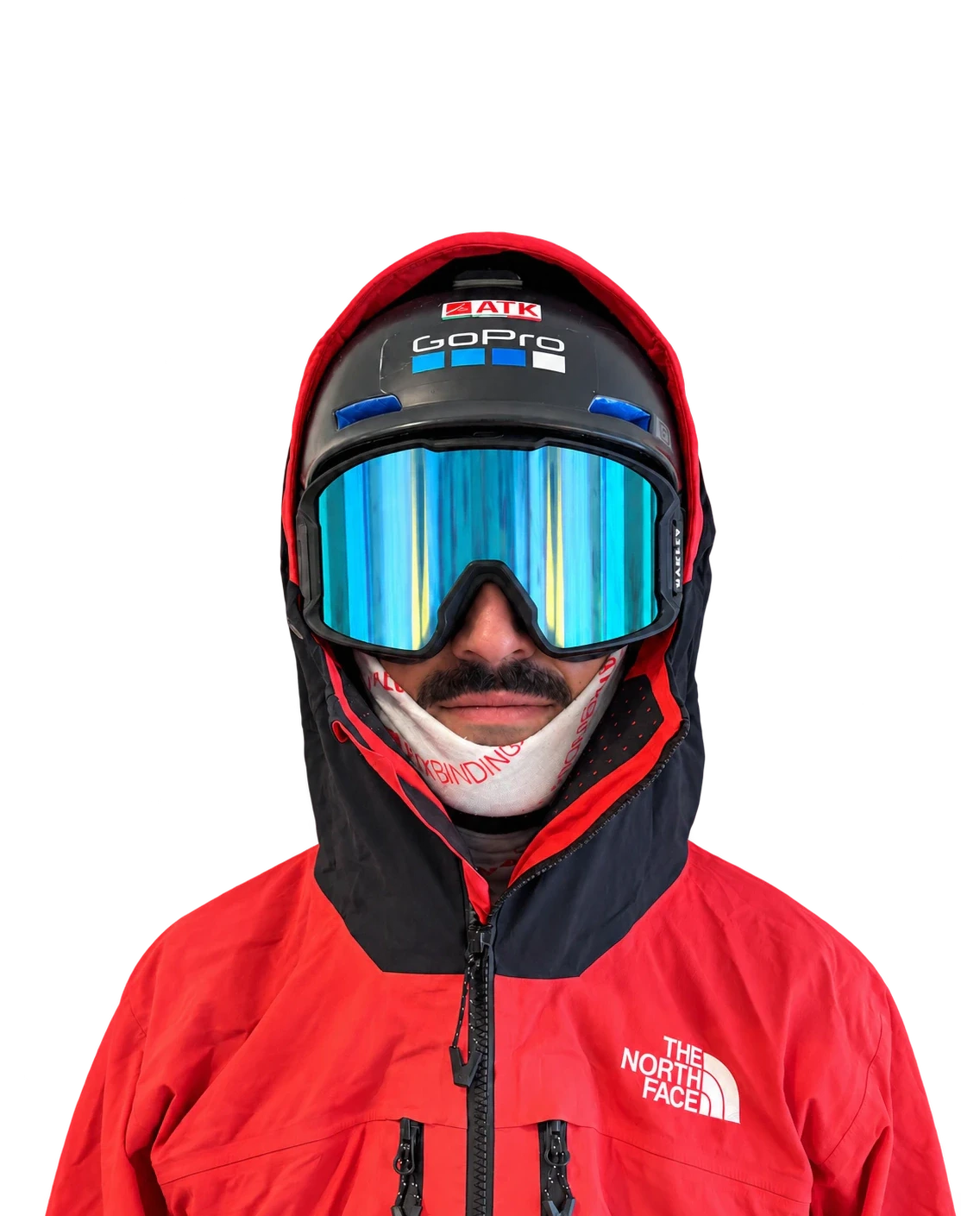
My name is Andrea Murisasco and I am a kinesiologist and athletic coach in Cuneo. I grew up on skis, and movement has never been just sport to me: it is how I learned to understand the body, starting with my own.

That is where my studies came from: the «Edmondo De Amicis» Sports High School in Cuneo, in its Ski College section, a degree in Exercise and Sport Sciences, and now a master’s degree in Preventive and Adapted Physical Activity Sciences.

Today I work with people who want to feel better, people who want to improve, people getting back to moving after an injury, and people preparing for a race. We always start from a functional assessment, build a tailored plan together, in person or remotely, and adjust it as the data comes in.

My body is still my first laboratory: competitive ski mountaineering, running, MTB, cycling, Hyrox and powerlifting. Whatever I suggest, I have tried on myself first. And there is no shortage of goals.

  • Trofeo Mezzalama Junior
  • Capanna Margherita, 4,554 m
  • Four-thousanders climbed on skis
  • France Nice 2027, in preparation

On my body first: my upcoming races

On my body first:my upcoming races
  • November 2026Marathon des Alpes-Maritimes Nice-Cannes42 km road race
  • December 2026U Giru de NataleMonte Carlo · 10 km road race
  • February 2027Mezza del MarchesatoSaluzzo · 21 km road race
  • March 2027Tre RifugiVal Ellero · ski mountaineering
  • March 2027Trofeo BozzettiBionaz · ski mountaineering
  • May 2027Tenno TrailGarda Trentino · 30 km trail
  • June 2027Monte Rosa SkyMarathonAlagna · 35 km skyrunning
  • June 2027Run the NightCuneo · 21 km road race
  • June 2027La Fausto CoppiCuneo · 172 km by bike
  • July 2027CAUTValle Grana · 35 km trail
  • July 2027Gran Trail CourmayeurCourmayeur · 30 km trail
  • July 2027Valle Stura SkyRace24 km skyrunning
  • September 2027Ironman France Nice226 km triathlon

Gallery

Services

  1. Kinesiology consultations

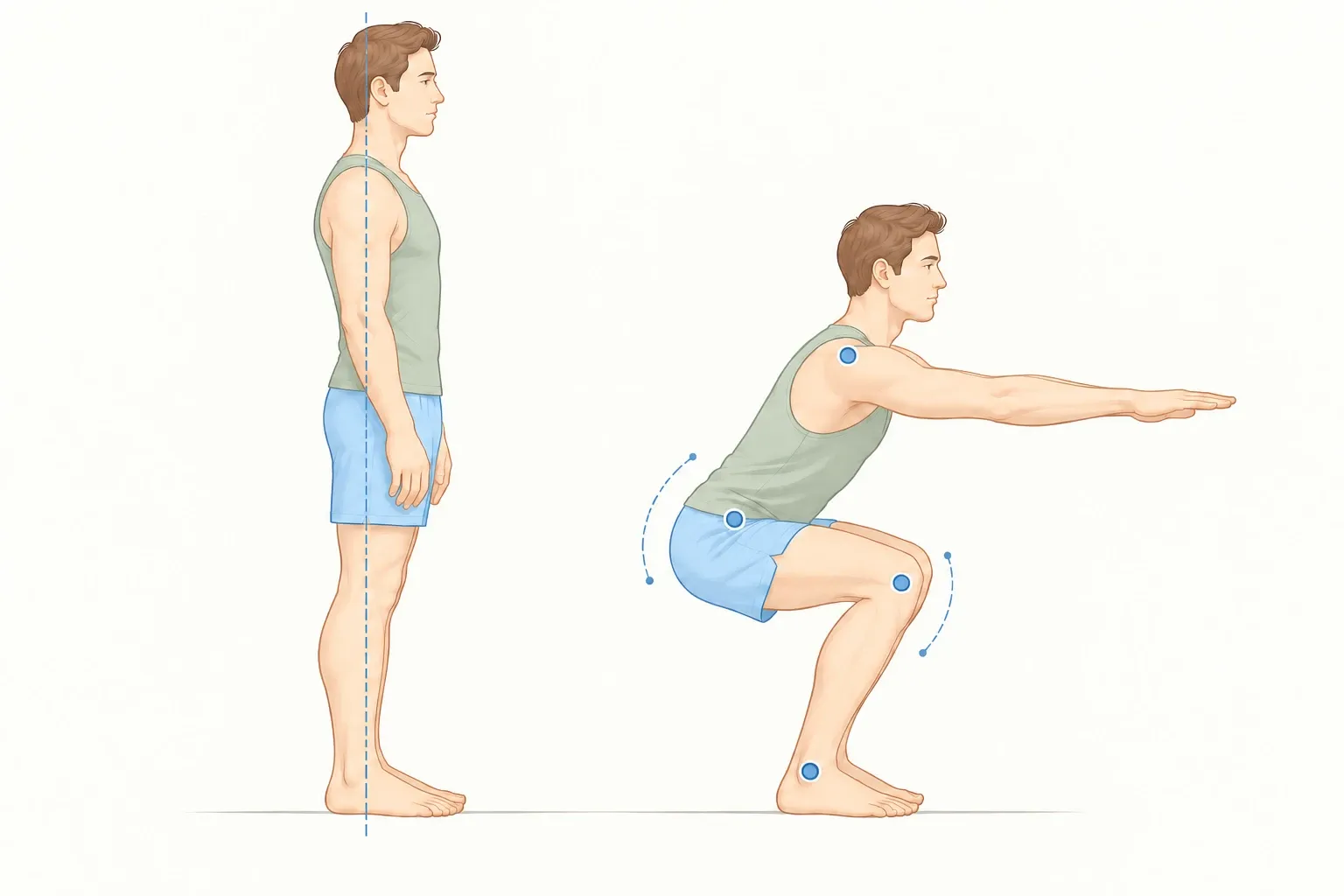
    Functional assessment of movement and posture — the starting point before you train.

    Illustration of a man standing in profile with his posture line, then squatting with arms forward and his joints marked
  2. Rehabilitation and injury prevention

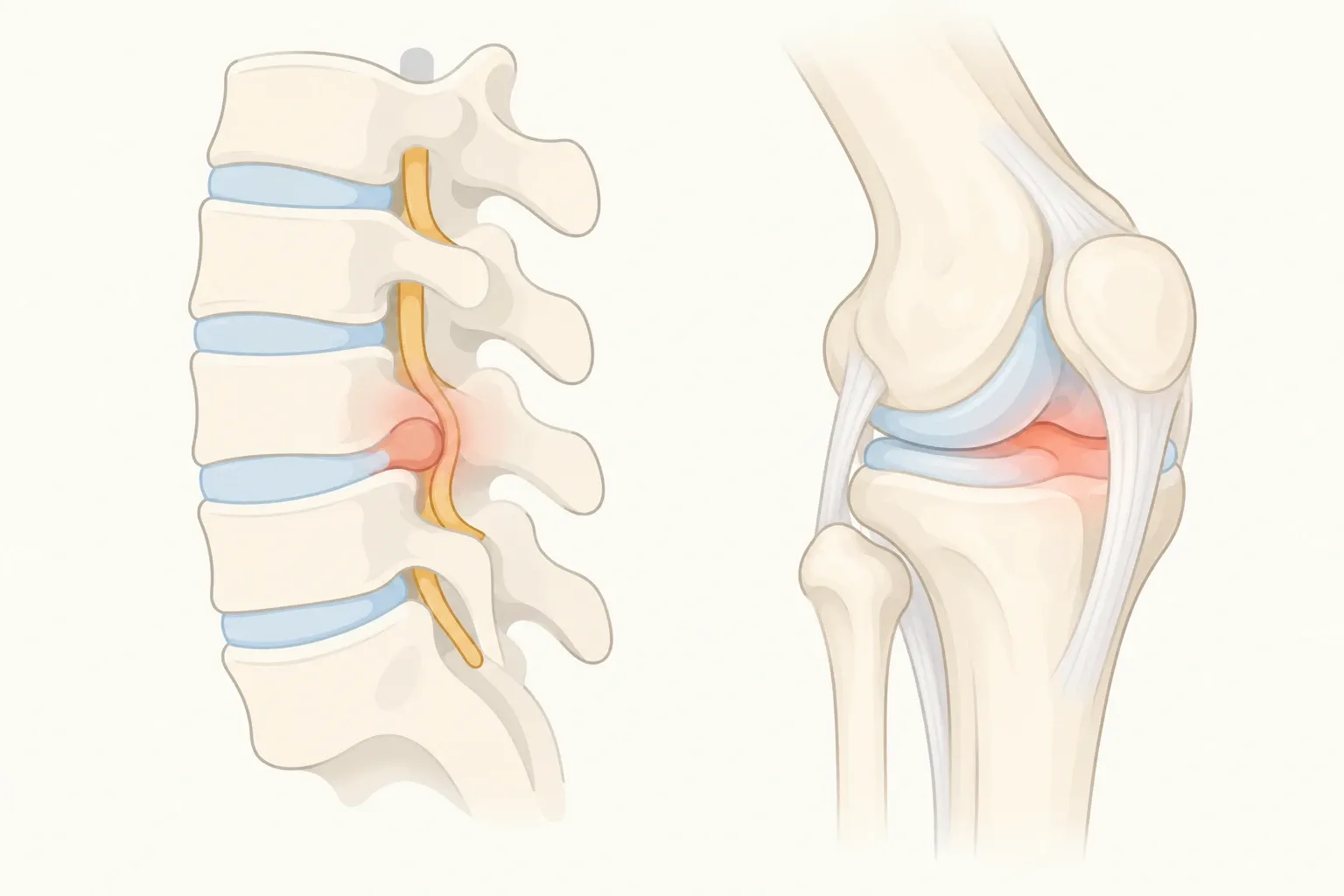
    Motor re-education, sports taping and prevention: to heal properly, or to avoid getting hurt in the first place.

    Illustration of a section of lumbar spine with a disc pressing on the nerve, and a knee from the side, with the painful areas highlighted in red
  3. Tailored training

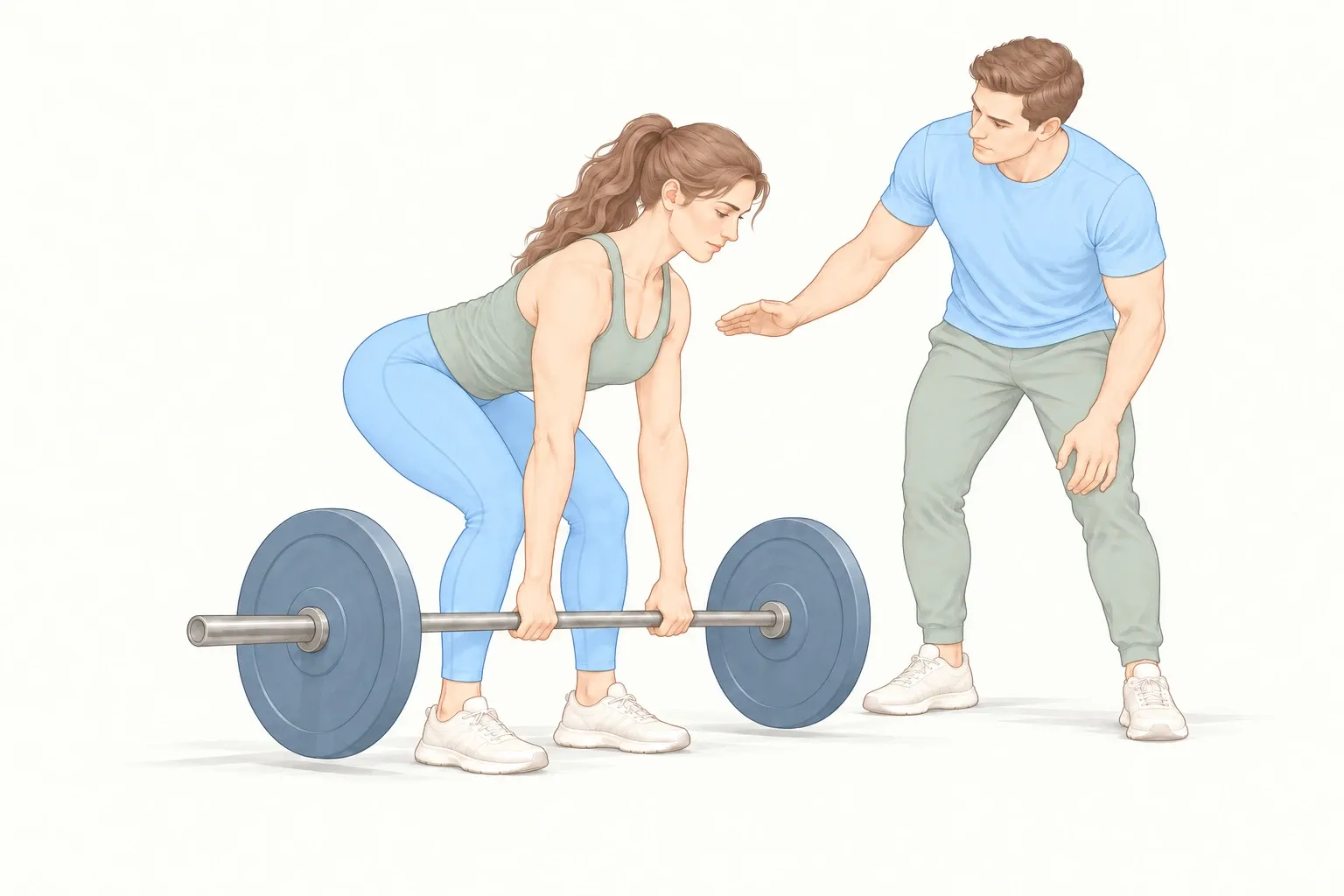
    In person in Cuneo or remotely, with regular check-ins and tailored technique correction.

    Illustration of a young woman setting up a barbell deadlift, closely followed by the coach
  4. Athletic preparation

    Programming for any sport, and threshold tests for aerobic and endurance sports.

    Result of a threshold test: the heart-rate zonesbpm
    1. Z1< 135
    2. Z2135–155
    3. Z3156–170
    4. Z4171–180
    5. Z5181–198
    1. Easy< 155
    2. Moderate156–180
    3. Hard181–198

    LT1 is the aerobic threshold and LT2 the anaerobic one, estimated from heart rate during a field test: below LT1 the effort can be held for a long time, above LT2 only briefly.

Method

  1. Phase 1

    Initial assessment

    I analyse your starting point, history, goals and current abilities.

  2. Phase 2

    Personalised programming

    We build the plan together, around your goals and your needs.

  3. Phase 3

    Monitoring

    Regular check-ins to make sure the plan is really working.

  4. Phase 4

    Adjustment

    The plan changes when the data changes: no programme stands still.

Blog

A few deep dives, between science and altitude.

Functional assessment: what it is for

What a functional assessment is, what it really analyses and why it is the first step of any serious programme, for prevention and for performance alike.

Read the article →

Recovery: deep sleep, REM and HRV — what really matters

Why recovery is not wasted time: what deep sleep and REM sleep do, what HRV really tells you, and how to use them to train better without obsessing.

Read the article →

Breathing: the movement you train least of all

The diaphragm works twenty thousand times a day and almost nobody trains it. What really happens when you breathe, why breathlessness is not about oxygen, and how breathing changes stability, endurance and recovery.

Read the article →

Energy systems: how you produce energy (and why lactate is not the enemy)

Phosphates, glycolysis and oxidation: how the three energy systems really work, how much sugar you can absorb in an hour between glucose and fructose, and why riders at the Tour de France are drinking lactate.

Read the article →

Common mistakes when preparing for a gran fondo

The mistakes I see most often in people preparing for a long-distance event in cycling, trail running or ski mountaineering — from badly built volume to improvised fuelling — and what to do instead.

Read the article →

Training at altitude: what really changes

What happens to the body above 2,000-2,500 metres and how to adapt your training when you move from the plains to the mountains, whether you do trail running, ski mountaineering or mountaineering.

Read the article →

FAQ

Where do we start?

With a functional assessment of movement and posture: it is the starting point before you train. I analyse your starting point, history, goals and current abilities.

Is the programme the same for everyone?

No. We build the plan together, around your goals and your needs.

I have already had physiotherapy: why would I need a kinesiologist?

Physiotherapy is essential for treating the injury: it reduces pain and gets you moving again. My work completes it. I look for the weaknesses and imbalances that led to the problem and correct them with targeted, progressive strengthening built around you. So we do not stop at short-term relief: we work on the cause, at the root, so your body becomes stronger than before.

What is the difference between a kinesiologist and a personal trainer?

They are two different roles. A kinesiologist holds a degree in exercise science and uses movement to prevent, rehabilitate and train: I am a kinesiologist and athletic coach, not a personal trainer. If you are looking for a personal trainer in Cuneo, what you will find here is something else: we always start from a functional assessment, the plan is built around you and adjusted with the data.

Do you also coach people preparing for a race?

Yes: athletic preparation is for any sport, more specifically running, trail running, ski mountaineering and marathons.

Can I come to you after an injury?

Yes: motor re-education, sports taping and prevention, to heal properly or to avoid getting hurt in the first place.

How do you check that it works?

With regular check-ins, to make sure the plan is really working. The plan changes when the data changes: no programme stands still.

How do I contact you?

Through the contacts below, at the bottom of the page: email, Instagram or Strava.